College
🎓 Polytechnic School of Abomey-Calavi (EPAC)
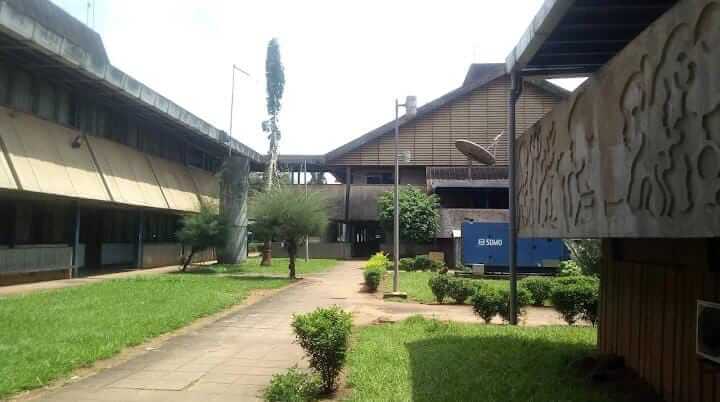
The Polytechnic School of Abomey-Calavi (EPAC) is a premier institution for engineering education and scientific research in Benin. As an integral part of the renowned University of Abomey-Calavi (UAC), EPAC plays a key role in training future engineers, researchers, and technical professionals who actively contribute to the socio-economic development of both Benin and the broader West African region.
🏛️ Historical Background
The Polytechnic School of Abomey-Calavi (EPAC) is the successor of the University Polytechnic College (CPU), which was established in 1977. In 2002, the CPU officially became EPAC as part of Benin’s educational reform aimed at modernizing and strengthening polytechnic education.
Since then, EPAC has grown into one of the leading centers for engineering and technical training in Benin.
Founded in the early 2000s, EPAC was created with the vision to provide Benin with a high-quality engineering institution capable of addressing both local and regional technological challenges. Its establishment marked a new era in the modernization of technical education in the country.
Over the years, EPAC has significantly expanded in student enrollment, program diversity, and research output. Today, it is recognized nationally and internationally for its academic excellence and strong commitment to innovation.
🎯 Mission and Vision
EPAC’s mission is to:
- Train engineers and senior technicians equipped with strong theoretical knowledge and practical skills.
- Advance applied scientific research that supports industrial and economic development.
- Foster innovation and entrepreneurship among students and researchers.
Its vision is to become a center of excellence for engineering education in West Africa, aligned with international standards and responsive to global technological advancements.
📚 Academic Programs
EPAC offers a wide range of undergraduate and graduate programs across several departments:
Industrial Sector
- Electrical Engineering
- Mechanical and Energy Engineering
- Computer Engineering and Telecommunications
- Civil Engineering
- Chemical and Process Engineering
- Agricultural Machinery
Biological Sector
- Environmental Engineering
- Food Technology Engineering
- Biomedical Engineering
- Biohospital Engineering
- Medical Imaging Engineering
- Animal Health Production
- Mechanical and Energy Engineering
Each program combines fundamental theoretical knowledge with practical training through laboratory work, internships, and real-world projects.
👨🏫 Faculty and Students
EPAC boasts a diverse and experienced faculty composed of:
- Professors and lecturers with international training
- Researchers with strong publication records
- Industry professionals contributing to practice-based teaching
The student body is equally dynamic, drawn from across Benin and neighboring countries. EPAC students are known for their technical competence and innovative spirit.
🔬 Research and Innovation
Research is one of the pillars of EPAC’s development. The institution hosts several research laboratories and centers, focusing on:
- Renewable energy
- Automation and robotics
- Environmental management
- Sustainable construction
Through partnerships with government agencies and international institutions, EPAC contributes actively to solving real-world problems through applied research.
🤝 Partnerships and Collaborations
EPAC collaborates with:
- National stakeholders: Ministries, local industries, SMEs
- International universities: France, Canada, etc.
These partnerships support student mobility, faculty exchange, joint research projects, and access to advanced equipment.
🌍 Impact and Social Responsibility
EPAC trains leaders who are equipped to address:
- Infrastructure development challenges
- Energy access and efficiency
- Technological entrepreneurship
- Environmental sustainability
The school regularly organizes tech fairs, scientific conferences, and public outreach events to engage the wider community.
📈 Future Outlook
EPAC aims to:
- Expand its research infrastructure and digital resources
- Launch more Master's and PhD programs
- Build a technology park to incubate student startups
- Foster interdisciplinary collaboration between engineering, science, and entrepreneurship
With sustained support from the state and partners, EPAC is well-positioned to shape the next generation of African engineers.
🗺️ Location and Contact
- 📍 Campus: University of Abomey-Calavi, Abomey-Calavi, Benin
- 🌐 University website
- ✉️ Email: info@uac.bj
- ☎️ Phone: +229 XXX XXX XXX
EPAC is not just an engineering school — it is a hub for innovation, excellence, and transformation in West Africa.